How Agentic AI Is Changing ERP Systems
For a long time, ERP software did what you told it to do. You entered data. It stored it. You ran a report. It showed you numbers. The software was passive—a very organised filing cabinet.
Agentic AI in ERP systems is a different thing entirely. Instead of waiting for a human to trigger every action, the system takes actions on its own—placing purchase orders when stock drops, flagging invoices that look like duplicates before they're approved, sending follow-up messages to overdue customers without anyone asking it to.
The ERP stops being a record-keeper and starts behaving more like a junior employee. That's what makes agentic AI worth paying attention to—and also worth thinking carefully about.
What "Agentic" Actually Means
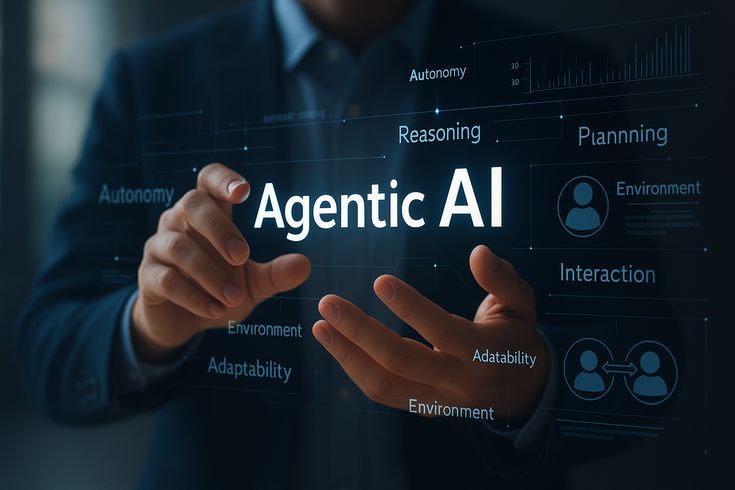
The term comes from "agent"—a system that perceives its environment, decides what to do, and acts. Unlike traditional AI, which responds only when prompted, an agentic AI continuously monitors, evaluates, and takes action.
In a traditional ERP, low stock triggers a warning. A human notices it, decides what to do, and creates a purchase order.
With agentic AI, the system detects the drop, evaluates suppliers, checks lead times, calculates quantities, and prepares—or even sends—the purchase order automatically. The human reviews instead of initiating.
Where Agentic AI Is Used in ERP Today
1. Procurement & Inventory
Agentic systems go beyond reorder levels. They factor in seasonality, supplier reliability, pending orders, and budgets before raising purchase orders. Some can even negotiate with vendors automatically.
2. Accounts Receivable Follow-ups
AI handles payment reminders with personalised messaging, escalating tone over time. Humans step in only when necessary, reducing manual follow-up work significantly.
3. Manufacturing Quality Control
The system monitors production data in real time, flags deviations early, and assigns quality checks before failures happen.
4. HR & Attendance Monitoring
Agentic AI can detect unusual patterns—like behaviour that often precedes resignations or policy violations—and flag them automatically.
How This Works with Odoo
Odoo doesn't include agentic AI by default, but its API-driven architecture makes it ideal for building these capabilities on top.
AI agents can monitor triggers like stock levels, invoice due dates, or production status, and take predefined actions. Every action is logged, ensuring full audit visibility.
The key decision is how much control to give the agent—whether it drafts actions for approval or executes them autonomously.
What This Means for Your Team
Routine tasks like follow-ups, standard procurement, and rule-based checks are increasingly handled by AI agents.
Teams shift toward exception handling, decision-making, and relationship management—areas where human judgment still matters.
- Less manual repetitive work
- More focus on high-value decisions
- Improved efficiency across departments
Is Your ERP Ready for Agentic AI?
- Clean Data: Accurate data is critical for correct decisions
- Defined Workflows: Agents follow system rules strictly
- Audit Requirements: Every action must be traceable
If your data and processes are structured, you're ready to start. If not, fixing that should be the first step.
Getting Started
Start with one process—accounts receivable follow-up is often the easiest. Run the AI in draft mode for 4–6 weeks, where it suggests actions but humans approve them.
This creates a performance track record, helping you decide how much autonomy to give the system.
Explore Agentic AI for Your ERP
See how AI-driven workflows can be integrated into your ERP with real business use cases.
Book Free Consultation